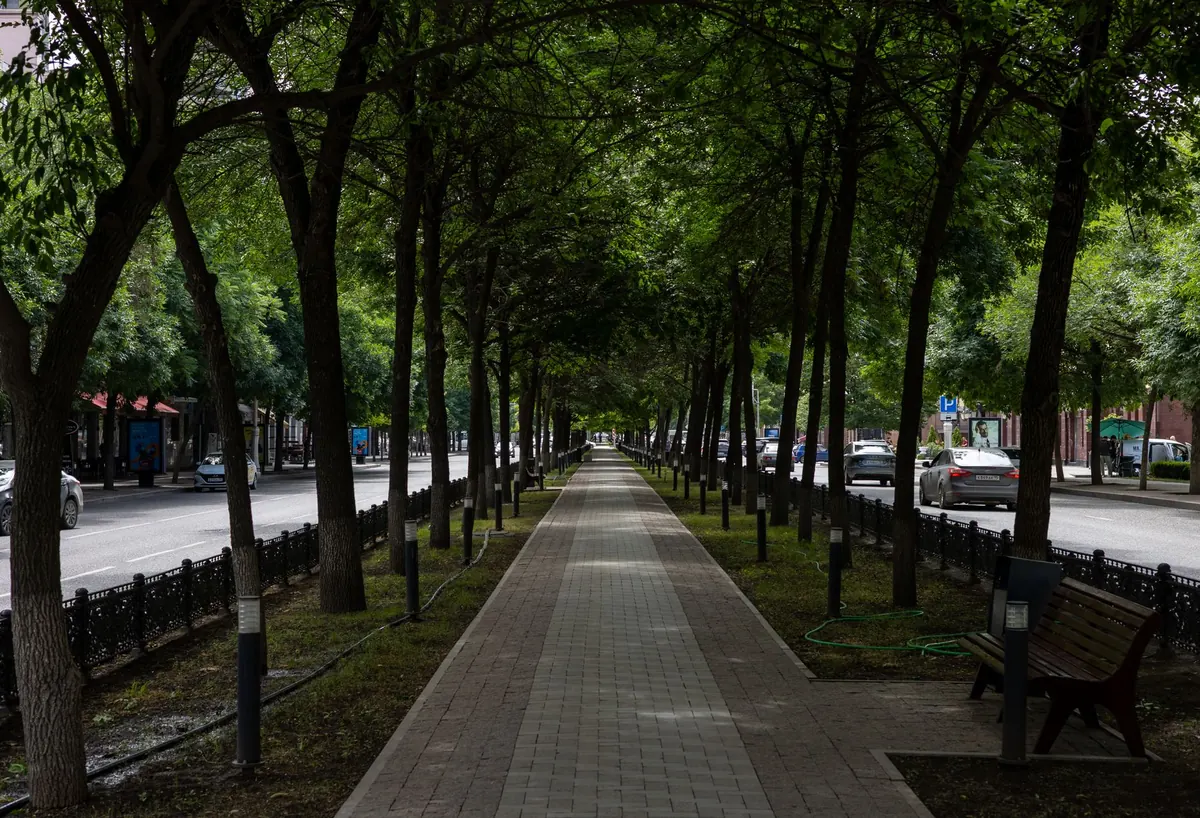
Stand on a shadeless corner in August and the heat feels personal. It comes up through your shoes, bounces off the shopfronts, and sits in the gap between buildings. Walk half a block into a street lined with mature lindens or planes and the air changes. Cooler, certainly, but also softer, less assaulting. That difference isn't a mood or a bit of neighbourhood pride. It's physics, and most of it comes down to two things trees do: they block sunlight, and they move water.
Weather is measured in open ground, usually over grass, in a shaded instrument shelter. A street is a different machine entirely. Asphalt, concrete, brick and dark roofing absorb solar radiation all day and hold it. They are dense, they conduct heat inward, and they have almost no moisture at the surface to evaporate. So nearly all the sun's energy that lands on them becomes sensible heat — the kind you feel on your skin.
Narrow streets make it worse. Tall facades bounce radiation back and forth, so a wall receives direct sun plus reflections from the building opposite and from the pavement below. At night, all that stored heat leaks back out, which is why a bedroom over a hot street stays warm until the small hours while a park a kilometre away has already cooled.
The most useful thing to understand about shade is that it works on surfaces, not on air. A leaf does not cool the breeze passing through it. What it does is prevent a patch of asphalt, a car roof, a pram or a pair of shoulders from absorbing sunlight in the first place. That surface then has nothing stored to release later.
The practical consequences are large. A pavement in full sun and a pavement under a dense crown can differ by a margin you feel through thin soles. Shade also cuts the radiant load on a person directly — the sun hitting skin and clothing — which is often a bigger factor in how hot a walk feels than air temperature alone.
Continuity matters more than individual specimens. One tree beside a row of parked cars shades a metre of kerb and little else. A run of crowns that touch or nearly touch creates a shaded corridor a person can actually walk along, and it keeps the pavement cooler over a longer stretch of the afternoon.
The second mechanism is quieter. Trees pull water from the soil through their roots, move it up through the trunk, and release it as vapour through pores in the leaves called stomata. Turning liquid water into vapour takes energy, and that energy is drawn from the surrounding air. Heat that would otherwise sit there as warm air becomes latent heat instead, and the air near the canopy measurably cools.
It's the same effect as sweat on skin, or a wet towel draped over a fan. A single mature tree with a broad crown can move a surprising volume of water on a hot day, and a connected canopy moves much more because there is more leaf area doing the work.
Here's where a lot of urban planting quietly fails. A tree in a tiny square of compacted soil, ringed by paving and never watered, will close its stomata during dry spells to protect itself. Growth slows, leaves may drop early, and the cooling stops. You still have a tree, but the evaporative half of its job is switched off. Soil volume, drainage and summer irrigation are not gardening niceties; they are the difference between a tree that cools a street and one that merely occupies it.
Cities and community groups often count trees. It's an easy metric and a misleading one. Two newly planted ornamentals with narrow crowns may cover less ground than a single broad oak, and neither will shade a street the way a mature plane does. What actually drives street temperature is canopy cover: the proportion of ground area that sits beneath leaves when seen from above.
Canopy cover depends on a handful of things worth knowing when you look at your own street:
Distribution matters as much as the average. A citywide figure can look respectable while particular blocks — often the poorest, densest and most exposed — have almost no cover at all. Heat is intensely local. So is shade.
A tree in the wrong position gives you leaves, birdsong and root damage without much cooling. The first question is where the punishing sun comes from. In most temperate cities the western and south-western exposures do the damage, because afternoon sun lands on surfaces already warmed since morning. Shading the sun-facing side of a street and the west walls of buildings does more than shading the side that is in shadow by four o'clock anyway.
Then think about who needs it. Crossings where people wait, bus stops, benches, playground edges, school gates, the route between a care home and the shops — these are the places where a few degrees change whether someone can walk in July. Shade structures and awnings help immediately; trees take years, so plan both.
Species choice is a long commitment. Look for drought tolerance once established, resistance to local pests and diseases, root behaviour that suits confined urban soil, and a crown shape that will clear traffic and sightlines without constant pruning. Low, dense canopies cool best at pavement level but conflict with vehicles and lighting; high crowns give less midday shade where people walk. Underplanting with shrubs and groundcover adds a little evaporative cooling close to the ground and keeps soil alive.
Honesty helps here. Canopy cooling is local — a block, a square, a schoolyard — not a fix for a whole city's heat. In humid weather, evapotranspiration does less work because the air is already close to holding all the moisture it can. Trees need water, and in a drought that water is contested. A dense canopy can also slow night-time heat loss slightly, and pollen, sap and falling limbs are real management issues.
Above all, a newly planted sapling does almost nothing for a street for a decade or more. Which is why the cheapest cooling available to most cities is protecting the large trees they already have.
You don't need a municipal dataset to start. Walk your street on a hot afternoon, ideally between two and five, and note where you instinctively cross to the shady side, where you avoid stopping, and which crossings have no relief at all. Photograph the same spots at the same time on a cooler day. That record is more persuasive to a council than any general argument.
Before planting anything on public ground, check local rules; on private or shared land, a qualified arborist is worth the call for anything near walls, drains or overhead lines. Trees are the slowest infrastructure a street has. Getting the canopy right means thinking in decades, and starting this planting season rather than the next one.
Photo: Anzor Dukaev / Pexels
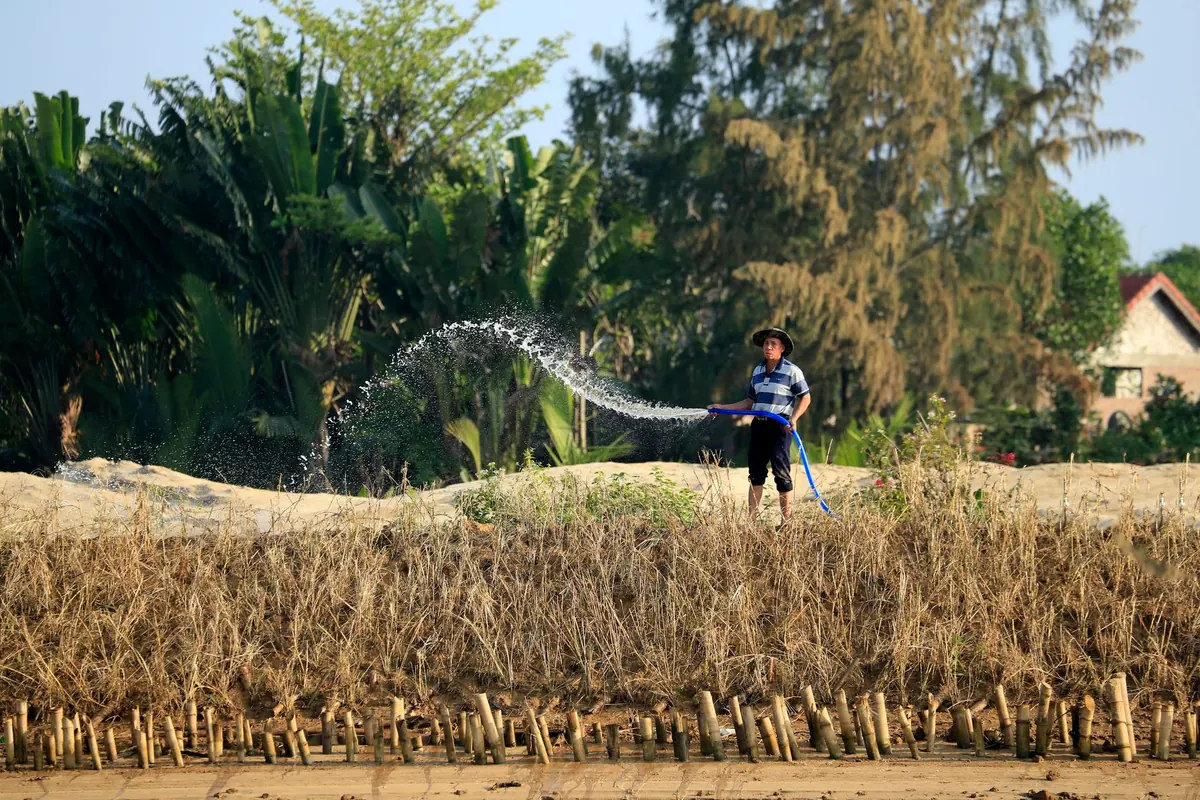
A practical troubleshooting guide to the most common urban tree watering errors during heat waves — frequency,...
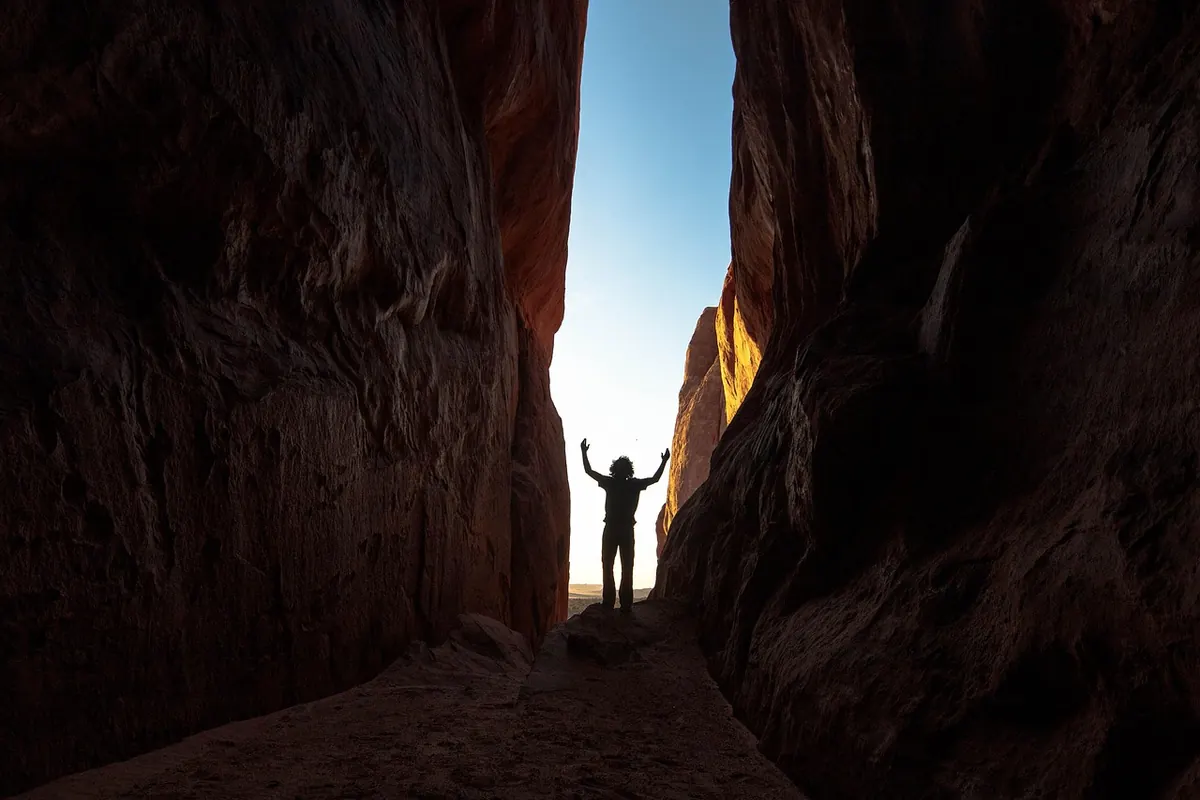
Columnar cypress can screen a narrow driveway without turning it into a tunnel. Here is how to choose, lay out, and...
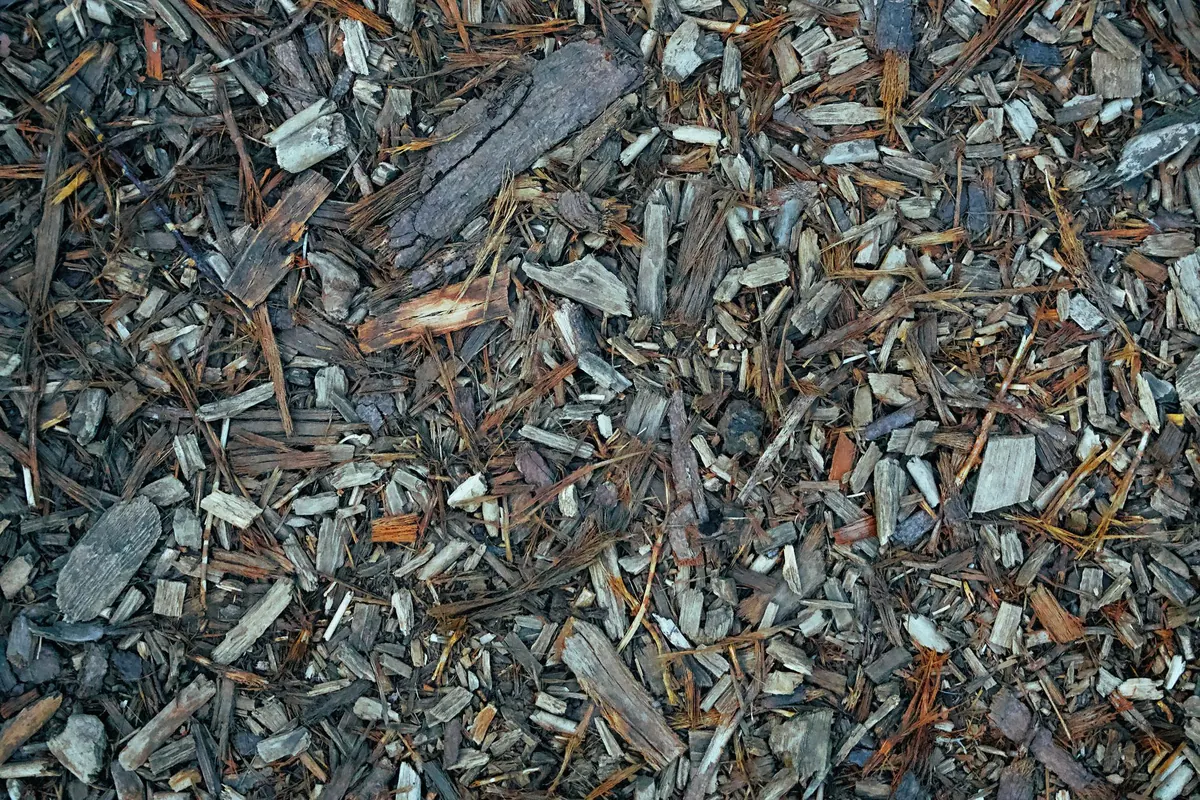
Mulch is the cheapest help a street tree gets—and one of the easiest ways to harm it. Here's how deep, where to...

Italian city trees and green spaces.
