
A narrow driveway asks for a difficult balance. You want privacy from the street or the neighbours, but you also want daylight, a clear turning space, and a view of pedestrians when you reverse out. Columnar cypress looks like the obvious answer — tall, green, and slim enough to fit in a strip beside the paving. The trouble starts when the plants are too close together, too close to the car door, or too tall for the space they are meant to soften. Good landscaping with cypress in a tight driveway is less about the tree and more about the layout around it.
Start with a tape measure, not a nursery catalogue. Note the paved width, the width of the gate or garage opening, and the space needed to open car doors. A driveway that feels generous on foot can shrink quickly once a row of evergreens takes 60 cm from each side. Mark the turning arc from the street, the path to the front door, and the route a bin or bicycle takes. If you cannot walk a full wheelbarrow along the edge, the planting strip is already too tight.
Then look up and sideways. Overhead wires, roof overhangs, security lights, and the neighbour’s windows all affect what you can plant. At the street end, check the visibility zone where drivers and pedestrians need to see each other. Local rules vary, so treat any sightline at the exit as sacred and keep planting low there. Also locate drainage runs, water mains, and soakaways. Cypress dislikes sitting in wet soil, and a driveway edge is often the wettest, most compacted part of the garden.
Not every plant sold as a cypress stays narrow. Italian cypress (Cupressus sempervirens) is the classic pencil shape, but mature width still varies by cultivar and growing conditions. Read the label for width as well as height, and ask how the plant behaves in your climate. A tree advertised at 8 m tall and 1 m wide is a different proposition from a vigorous hedge cypress that wants 3 m across.
For a narrow driveway, favour slender cultivars and buy plants with a clear single leader. Avoid cheap, crowded nursery stock that has been sheared into a blob; it often bulges later. If you need a screen quickly, it is better to plant fewer, well-spaced specimens and wait than to cram them in and create a dark, airless wall. In windy sites, a columnar cypress can also rock; choose stock with a sturdy root ball and plan to stake it.
The strongest layouts use cypress as a repeated vertical accent rather than a continuous barrier. Repetition gives rhythm, and gaps let morning or evening light through.
At corners, resist the urge to plant a cypress right on the turning point. Leave it out of the swept path of vehicles. If the driveway is very short, one specimen at the far end may be enough; a row in a 6 m space will feel like a hedge tunnel.
Spacing depends on the cultivar’s mature width and the effect you want. As a general guide, slender Italian cypress planted for a screen can go about 1.2–2 m apart centre-to-centre. For individual specimens that should read as separate columns, allow 2.5–4 m. The tighter spacing gives a denser screen faster but less light and more pruning; the wider spacing gives a more architectural, breathable line.
Distance from the driveway edge matters just as much. Measure the plant’s expected mature radius, then add 30–50 cm of clearance so branches do not brush car mirrors or scratch paint. If the mature width is 1 m, planting 80–100 cm from the paving edge is a sensible starting point. Where paving is within about 1.5 m, consider a root barrier and prepare a generous planting pit; cypress roots can travel further than the canopy suggests, and driveway sub-base is not a good growing medium.
Do not forget the space between the cypress and the boundary wall or fence. A 60 cm gap allows air movement, access for pruning, and room for the canopy. A row pressed against a wall will be dry on one side, dusty, and hard to maintain.
Plant in autumn or early spring when the soil is workable and not waterlogged. Dig a pit wider than the root ball, keep the root collar at ground level, and water thoroughly after planting. Mulch around the base but keep the mulch clear of the stem. Cypress benefits from a deep soak every couple of weeks in the first summer rather than a daily sprinkle.
Stake only if the site is exposed or the plant is top-heavy. Use a short stake and a flexible tie that allows the trunk to move slightly; a rigid support can produce a weak trunk. Check ties each year and remove them once the roots have anchored the tree. Prune lightly in late spring or early summer, removing stray shoots and keeping the leader dominant. Do not cut hard into old, bare wood — columnar cypress often regrows poorly from it. If you need to lift the lower skirt for visibility, do it gradually over several years.
If the driveway is less than about 2.5 m wide, a row of cypress may leave no comfortable walking space and no door-opening room. If the space is overshadowed by buildings, a dense evergreen screen will make it darker still. In very windy, coastal, or waterlogged sites, cypress can struggle, and repeated replacement becomes expensive. In those cases, consider a tall trellis with climbers, a pleached tree, or a lower evergreen hedge that can be kept to a manageable height. A narrow driveway does not need a tall green wall to feel private; sometimes a well-placed shrub and a gate do more.
On a 3 m driveway, aim for one side only. Set the planting line 80–100 cm back from the paving, and choose four to six slender cypress at 1.5–2 m centres, depending on the cultivar. Keep the street end clear of tall plants and use low groundcover there. Leave a 60 cm gap to the boundary fence, install a root barrier if paving is close, and stake only the most exposed specimens. In the first year, water deeply and watch the leader. In the second, lift the lowest branches slightly. By the third, the row should read as a calm green edge — not a corridor — and the driveway should still feel light, open, and easy to use.
Photo: jpedge / Pixabay

A practical troubleshooting guide to the most common urban tree watering errors during heat waves — frequency,...
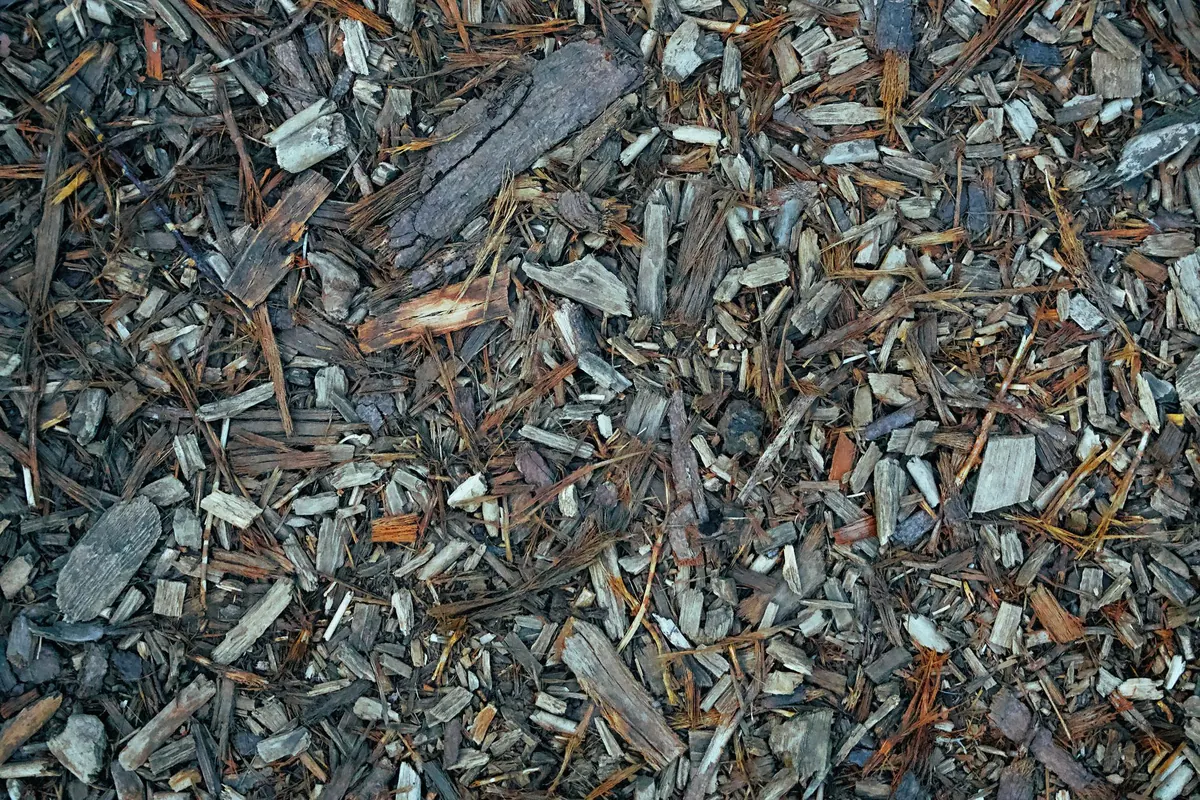
Mulch is the cheapest help a street tree gets—and one of the easiest ways to harm it. Here's how deep, where to...
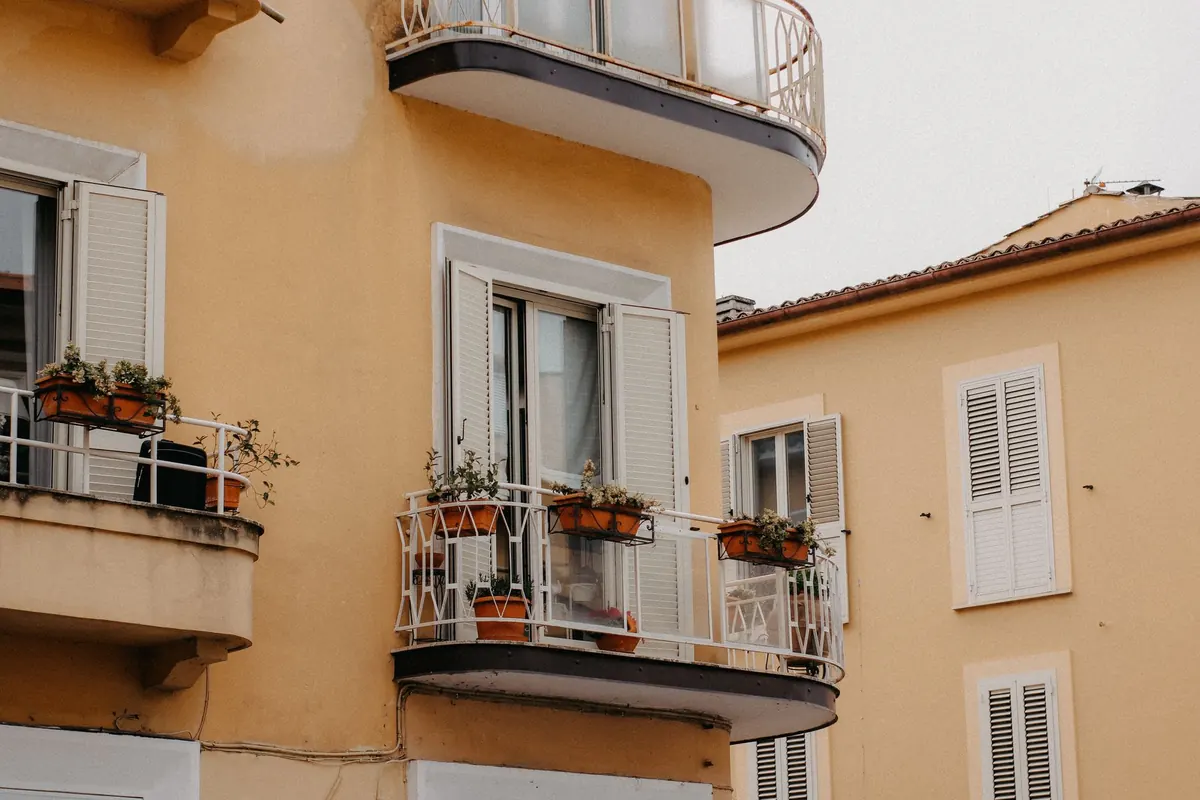
A practical guide to growing dwarf cypress in pots on a balcony, from choosing the right variety and container to...

Italian city trees and green spaces.
