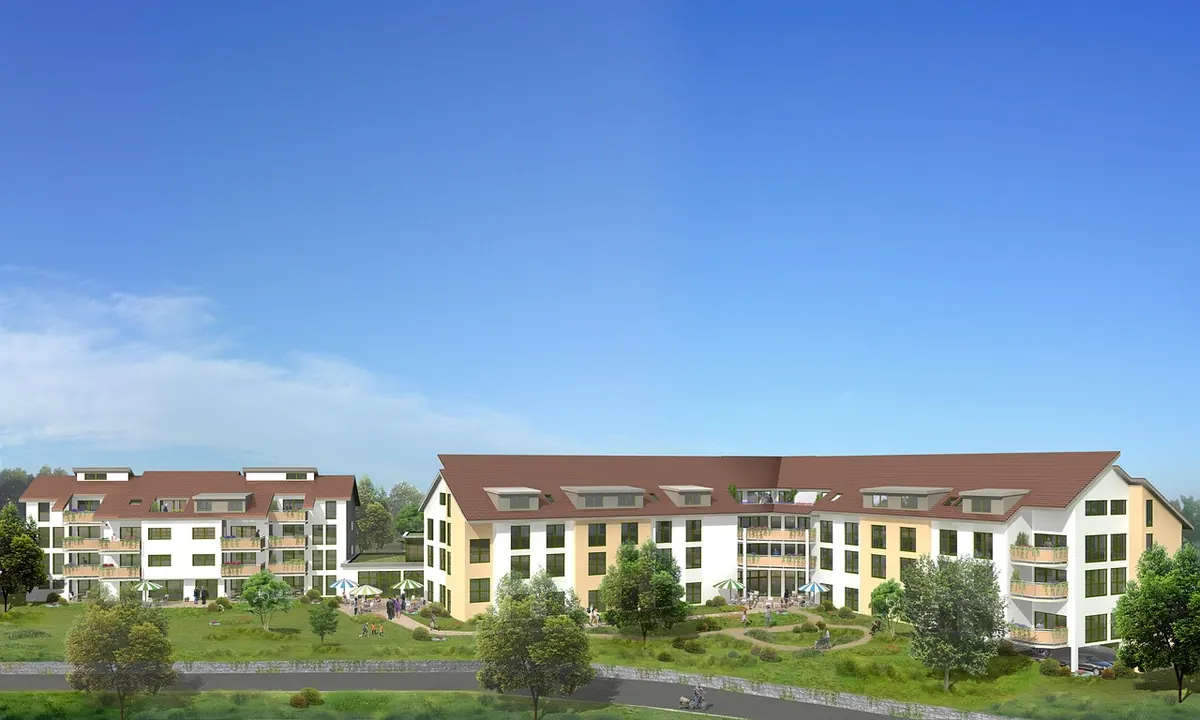
A courtyard between apartment blocks is an awkward piece of land. It is shaded by walls for half the day, funnelled by wind, walked over by people who do not own it, and expected to look presentable without anyone giving up a Saturday for it. The usual result is a strip of tired lawn, three shrubs in a row, and a hose nobody can find. It does not have to be that way. Design for neglect from the start — for the week in August when nobody waters, for the February when nobody prunes — and a small shared green space can look deliberate all year with only a handful of visits.
Most courtyard planting fails because it was chosen from a catalogue rather than from the ground. Spend a day watching the space before you spend a euro on it.
Write the answers down. That one page of notes will save you more money than any plant list.
Small lawns in shared courtyards are the single most maintenance-hungry element you can install: they need mowing, edging, feeding, watering in dry spells, and they wear into mud along every desire line. Replace them. Generous hard surface is not a failure of ambition — it is what makes the planting beds manageable.
Aim for a clear route of at least 1.2 metres along the main desire line, wider where two people will pass or where a bin is wheeled. Use permeable surfaces so rain soaks in rather than running to the drain: open-jointed pavers with a grit or low-growing thyme joint, self-binding gravel on a proper sub-base for paths, or gravel with a stabilising grid where people walk most.
Instead of narrow beds running along every wall — hard to weed, harder to water — cut square or rectangular planting pockets into the paving, a metre to a metre and a half across. They hold moisture better than a strip, take a mulch layer without spilling onto the path, and can be reached from both sides. Slope the paving very gently towards them and every rain shower becomes irrigation.
Where a tree is essential for shade and privacy, give it a proper planting pit with adequate rooting volume, and use a root barrier if the paving is close. Trees in tiny pits with compacted soil survive a few years and then fail quietly.
The right plant is the one that still looks acceptable after three weeks without attention. That usually means evergreen structure, leathery or grey leaves, and a tolerance of either shade or drought — sometimes both.
Plant in groups of three, five or seven rather than one of everything; repetition reads as design and is faster to maintain. Plant small and dense, and mulch immediately. And skip the thirsty things — bedding annuals, most roses, hydrangeas in dry shade, and lawn — however good they look in a photograph.
Hand-watering a courtyard for two summers is how these spaces are lost. Put in a simple drip line or porous soaker hose looped through the planting pockets, connected to a battery tap timer, and run it long and slow once or twice a week in the growing season. Drip delivers water to the roots instead of the paving and loses very little to evaporation.
Group plants by water need so one zone is not drowned to keep another alive. Mulch everything to seven or eight centimetres with bark or compost, keeping it clear of stems. Where a downpipe can be tapped, divert it into a water butt with a hose connection — free water, and less strain on the drainage.
New planting needs real attention for the first two summers, whatever the label says. Check the soil with a finger before watering, water deeply rather than often, and expect to fill gaps. After that, the system should be doing most of the work.
Low maintenance does not mean no maintenance; it means a short, obvious list that someone can pick up without training. Keep a locked cupboard with a watering can, secateurs, a stiff brush and a bag of mulch. Write a one-page calendar and put it where residents will see it:
Name one person or one arrangement — a rota, a caretaker, a small contract — responsible for those four visits. Shared spaces without a named owner often get neither care nor complaint until something dies.
Do the ground first, the water second, and the plants last. Fix drainage and levels, lay the paving and cut the planting pockets, then install the irrigation and test it before anything goes in the ground. Improve the soil in the pockets with compost, plant in autumn if you can so roots work through winter rain, and mulch straight away. Plant the trees and evergreen structure first, ground cover second, and leave the gaps for a season to see what the space actually asks for. Get that sequence right and the courtyard will settle into a rhythm of its own: green through the year, generous to the people who use it, and undemanding to whoever holds the keys.
Photo: Peggy_Marco / Pixabay
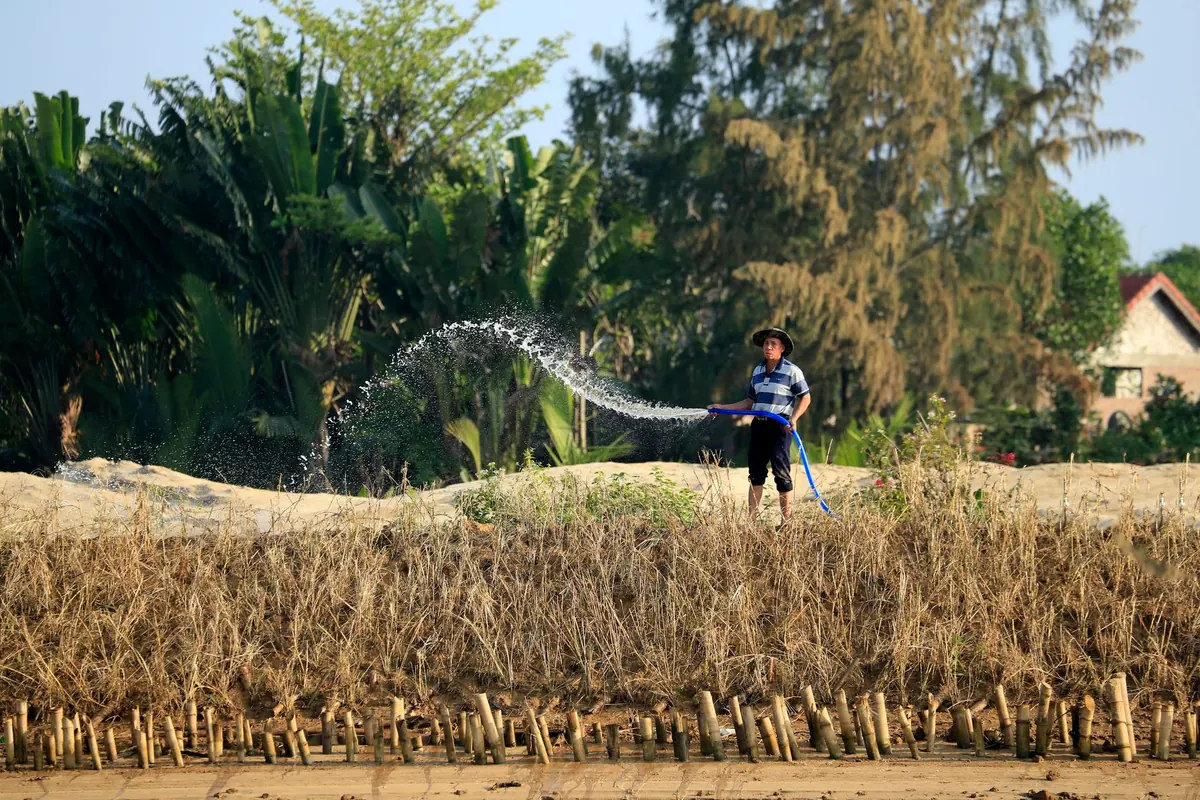
A practical troubleshooting guide to the most common urban tree watering errors during heat waves — frequency,...

Columnar cypress can screen a narrow driveway without turning it into a tunnel. Here is how to choose, lay out, and...
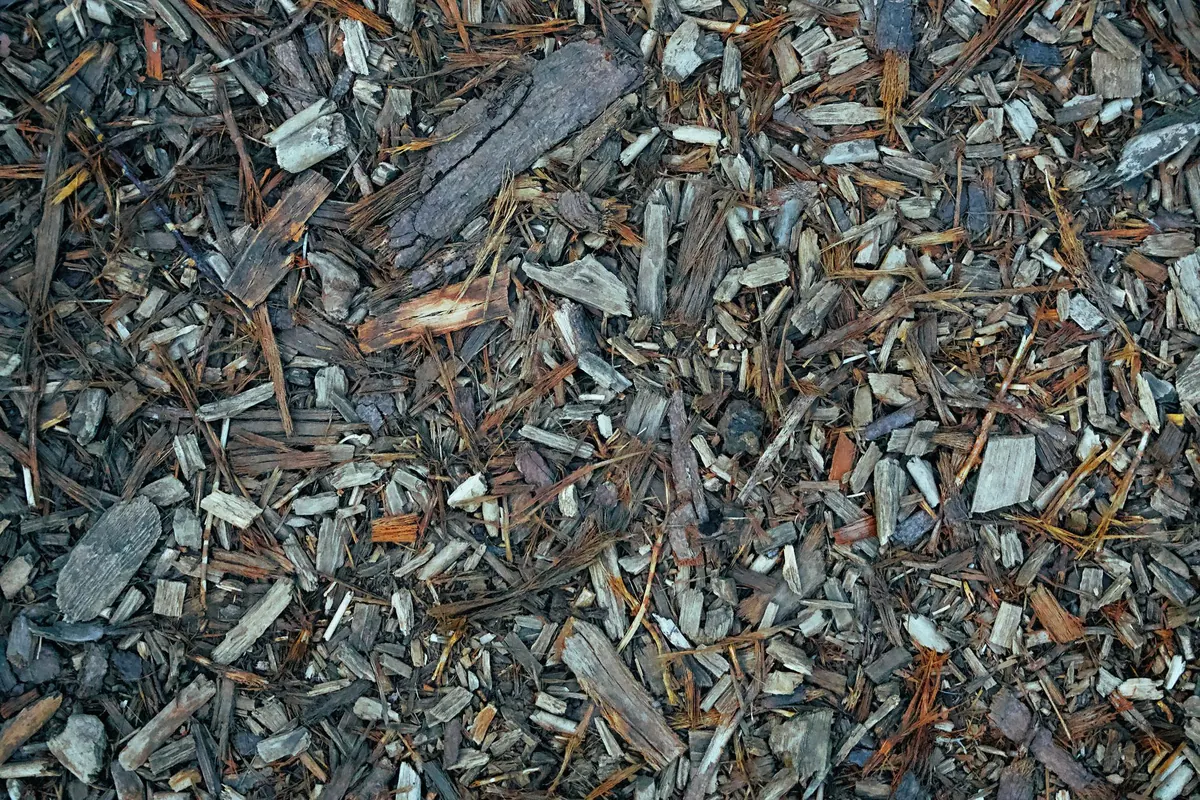
Mulch is the cheapest help a street tree gets—and one of the easiest ways to harm it. Here's how deep, where to...
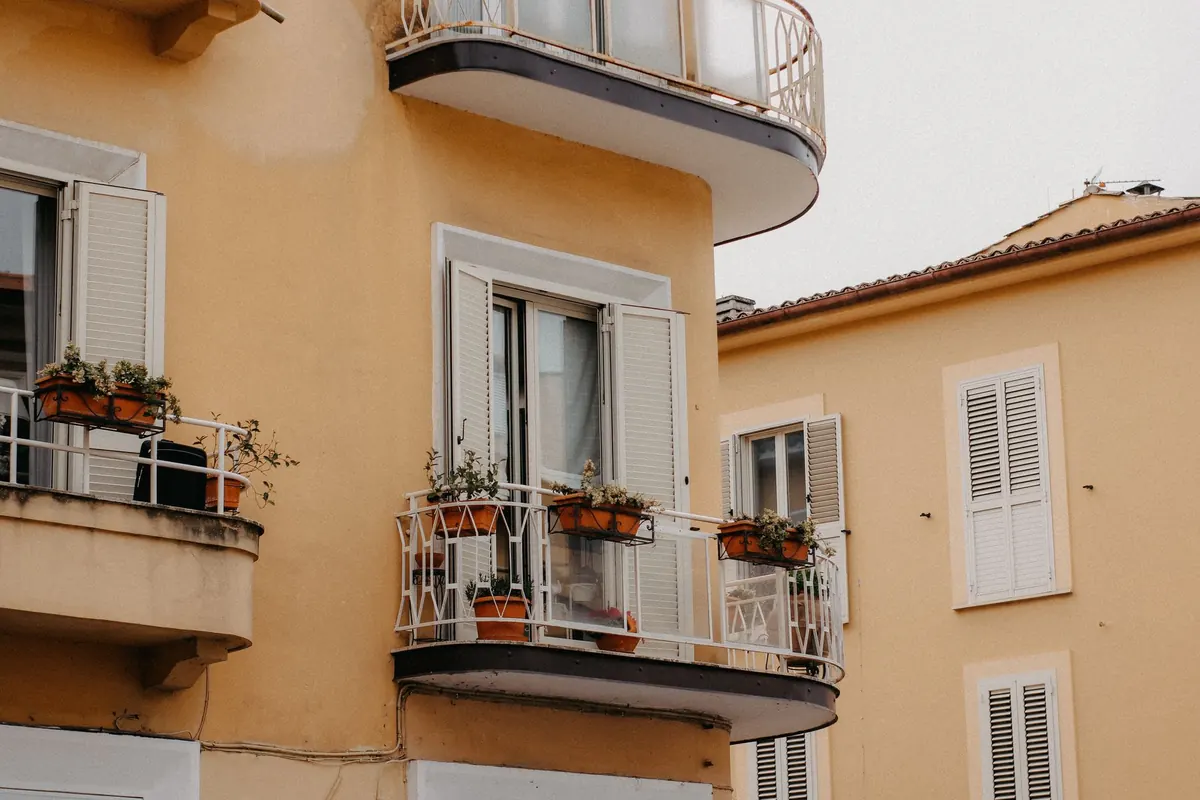

Italian city trees and green spaces.
