The cutout is the hardest place in a city to grow a tree. A square of soil barely wider than a car tyre, hemmed in by concrete, baking in July, salted in February, and expected to hold a canopy for fifty years. Trees are ordered, delivered and planted into that space in a single afternoon, and most of what goes wrong over the following decades is decided in those few hours.
None of the errors below are exotic. They are the same ones you can spot on almost any street: a trunk sunk like a fence post, a root ball still wearing its nursery hardware, a cone of mulch pressed against the bark. The good news is that every one of them has a fix that costs little more than attention.
Tree pits are usually dug to the dimensions of the root ball plus a few inches of slack. That gives you roughly a cubic metre of usable soil and then asks it to support a mature crown for half a century. Roots spread sideways far more than they go down, and concrete on all four sides stops them cold.
Widen before you deepen. A pit 1.5 to 2 metres across holds dramatically more rootable soil than a narrow one of the same surface area, and the extra width is what lets roots escape the nursery ball. Score the vertical walls with a spade or fork — a slick, polished pit wall works like a pot. If the pit genuinely cannot grow, plant a tree that matures small, not a large species that will spend twenty years being wrong.
Burying the root flare is the quietest killer on this list. The tree looks fine at planting, leafs out the first spring, and then declines slowly while everyone blames drought or disease. A buried flare stays wet, the bark softens, and roots begin to circle upward around a trunk that is effectively suffocating.
Set the flare — the point where trunk widens into roots — at or a couple of centimetres above finished grade. Not the top of the root ball: nurseries routinely leave several inches of field soil above the flare, and that soil has to come off before you measure anything.
Push your fingers into the top of the ball and find where the trunk starts to swell and roots fan out. Measure from that point to the base of the ball, then dig the hole that deep and no deeper. Water to settle, then check again the next day; loose backfill sinks, and a tree that was correctly set can end up an inch low by morning.
Dig a hole in heavy clay under a paved street and you have not made a planting pit, you have made a bucket. Water fills it, roots drown, and the tree dies in its second summer while the soil six inches away is bone dry.
Before planting, fill the empty pit with water and see what happens overnight. If it is still standing the next morning, drainage is the real problem and no amount of compost will solve it. Rough up the walls and floor, plant on a slight mound so the flare sits five to ten centimetres proud, and let water sheet away rather than pool. Where the street is being rebuilt, push for a connection to a drainage layer or a continuous planting trench. And keep the backfill close to the surrounding soil; a pocket of rich compost inside clay creates a soggy interface that roots are reluctant to cross.
A handsome catalogue image of a broad, arching tree is a poor guide to what belongs between a kerb and a shopfront. Mature height and spread, clearance over the footway and roadway, tolerance of road salt and reflected heat, litter, brittle limbs, thorns — all of it matters more than the shape of the crown in a photograph.
Just as damaging is repetition. A street lined with a single cultivar is a street lined with identical vulnerabilities; one pest or one hard winter takes the whole row. Plant in blocks of one species rather than alternating trunk by trunk, and vary at genus level between blocks so the street still reads as a composition.
Wire baskets, burlap, twine and plastic ties are designed to get a root ball onto a lorry and off again. They are not designed to last a lifetime in the ground. Twine knotted around the flare will girdle the trunk; wire left above the soil line will do the same; a plastic tag forgotten at the base can cut through bark within a few seasons.
Cut the basket's top ring and peel back the burlap from at least the upper third of the ball. Cut every piece of twine you can find, especially at the neck. Remove nursery stakes the same day. If the tree genuinely needs support, stake low and loosely with a flexible tie for no more than two growing seasons, then take it out and check for rubbing.
Every piece of material you leave on the tree at planting is a decision you are handing to somebody else, years later, with no note explaining it.
Mulch belongs in a flat ring, five to eight centimetres deep, pulled back ten centimetres from the trunk. Piled into a cone against the bark it holds moisture where bark cannot tolerate it and invites rodents to chew. Mulch deeper than ten centimetres also sends roots upward into the fluffy layer, where they dry out fast.
Metal grates cause a different set of problems. A small opening squeezes the trunk as it expands, and dark metal over a young root ball bakes the soil beneath it. Choose a grate whose opening can be enlarged as the tree grows, or skip the grate in favour of a resin-bound gravel surface. Keep a mowing strip or rigid guard around the base so strimmers and mowers stop short — a decade of repeated bark wounds at ground level will kill a street tree as reliably as anything on this list.
For the first year or two, a newly planted tree is drinking almost entirely from its original root ball. Soaking the surrounding soil looks generous and does very little. A quick sprinkle wets the surface and evaporates. What works is slow, deep water delivered at the ball itself, enough that the soil is moist down to the base of the ball rather than damp on top.
Check before you water by pushing a finger or a trowel into the soil. In heavy clay, overwatering kills as readily as drought, and a tree sitting in cold mud is not a tree that needs another bucket. Watering bags help, but they need filling. Plan establishment as two to three growing seasons of care, and be honest about staffing before planting in midsummer.
If you take nothing else away, take the sequence. It is unglamorous and it works.
Street trees fail slowly, which is why planting mistakes are easy to make and hard to see. A tree set correctly into a generous, well-drained pit will still face traffic, drought and salt. It will simply have a root system sturdy enough to take them.
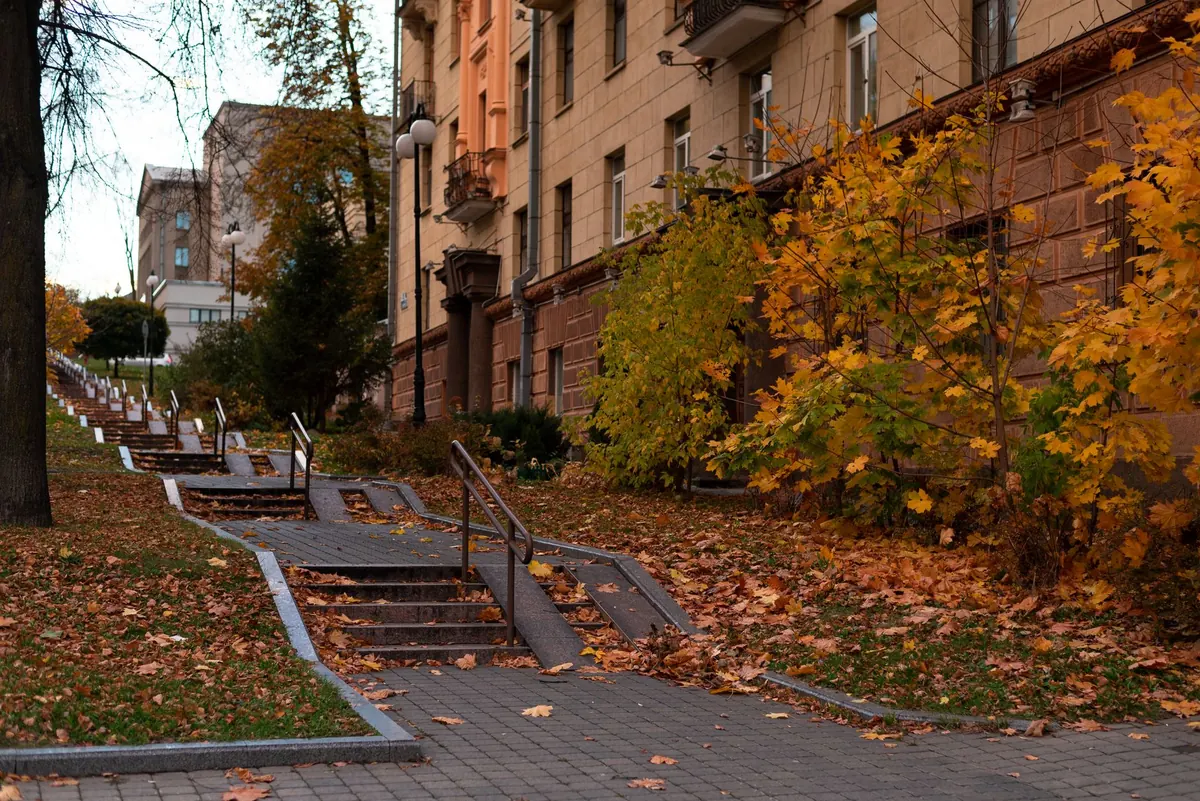
Photo: Vitali Adutskevich / Pexels
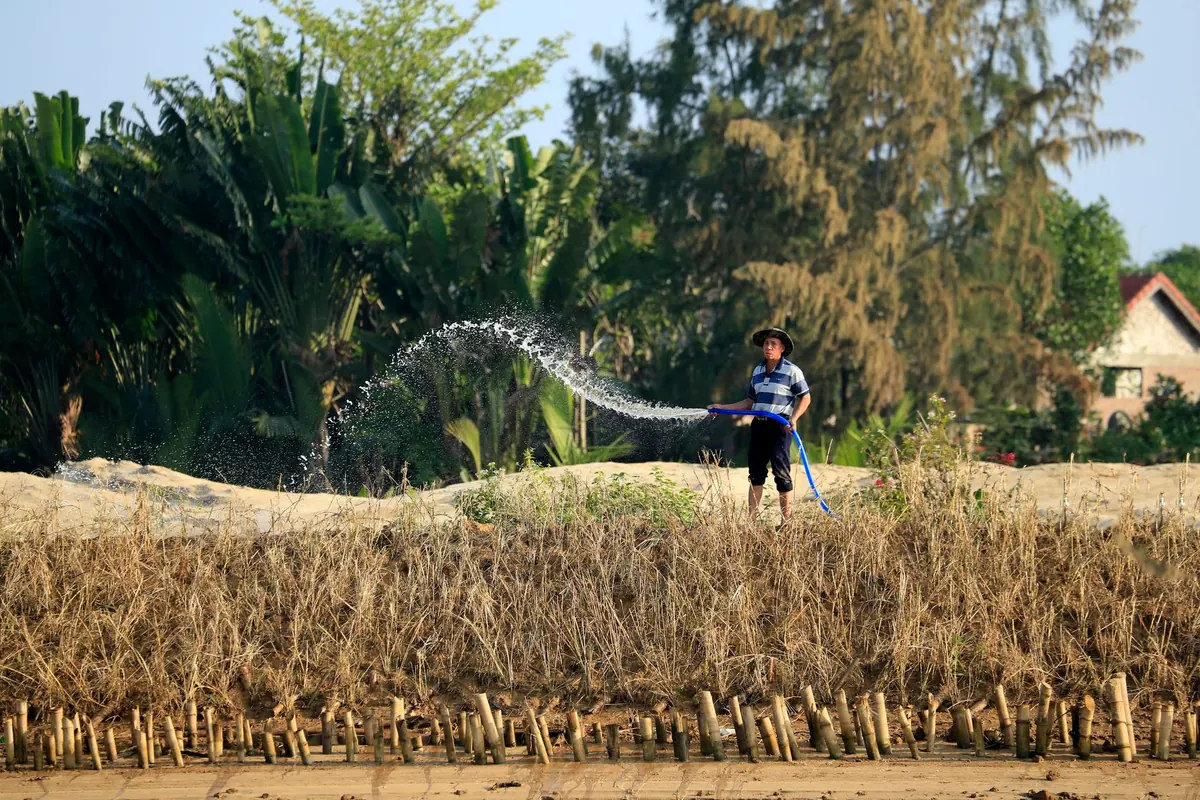
A practical troubleshooting guide to the most common urban tree watering errors during heat waves — frequency,...
Columnar cypress can screen a narrow driveway without turning it into a tunnel. Here is how to choose, lay out, and...
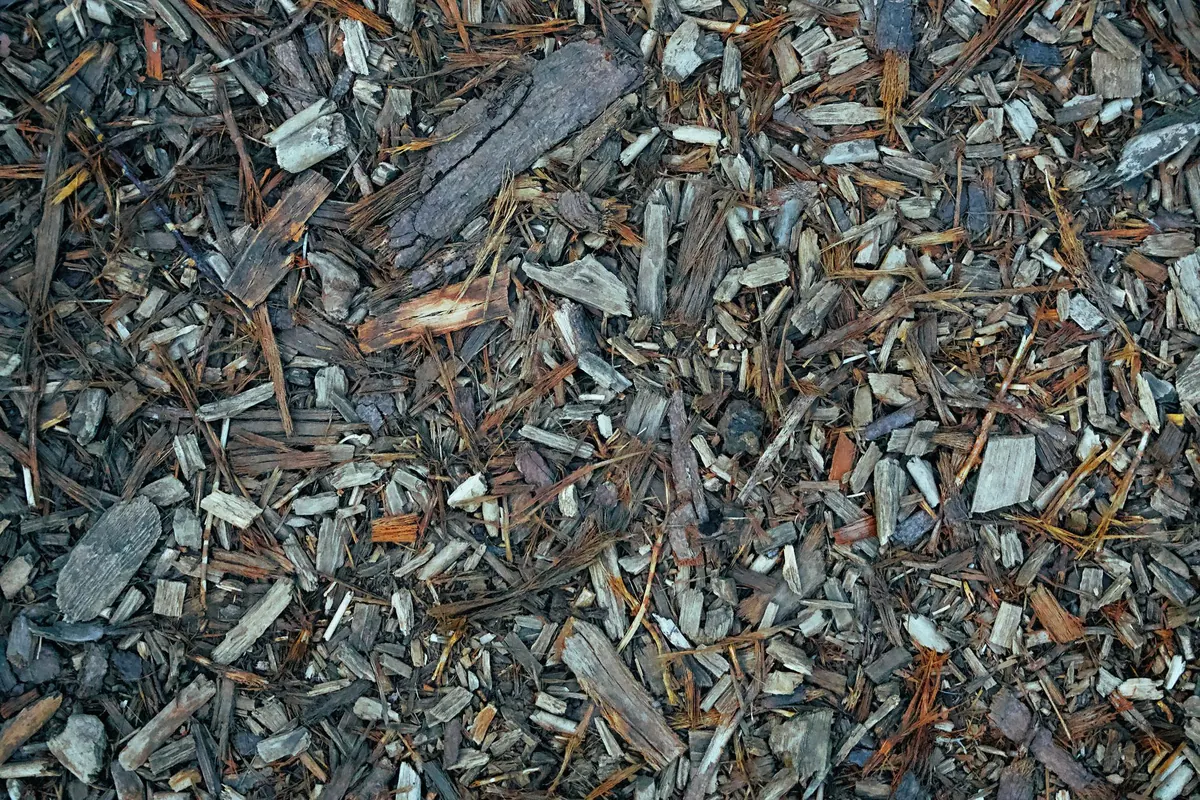
Mulch is the cheapest help a street tree gets—and one of the easiest ways to harm it. Here's how deep, where to...

Italian city trees and green spaces.
