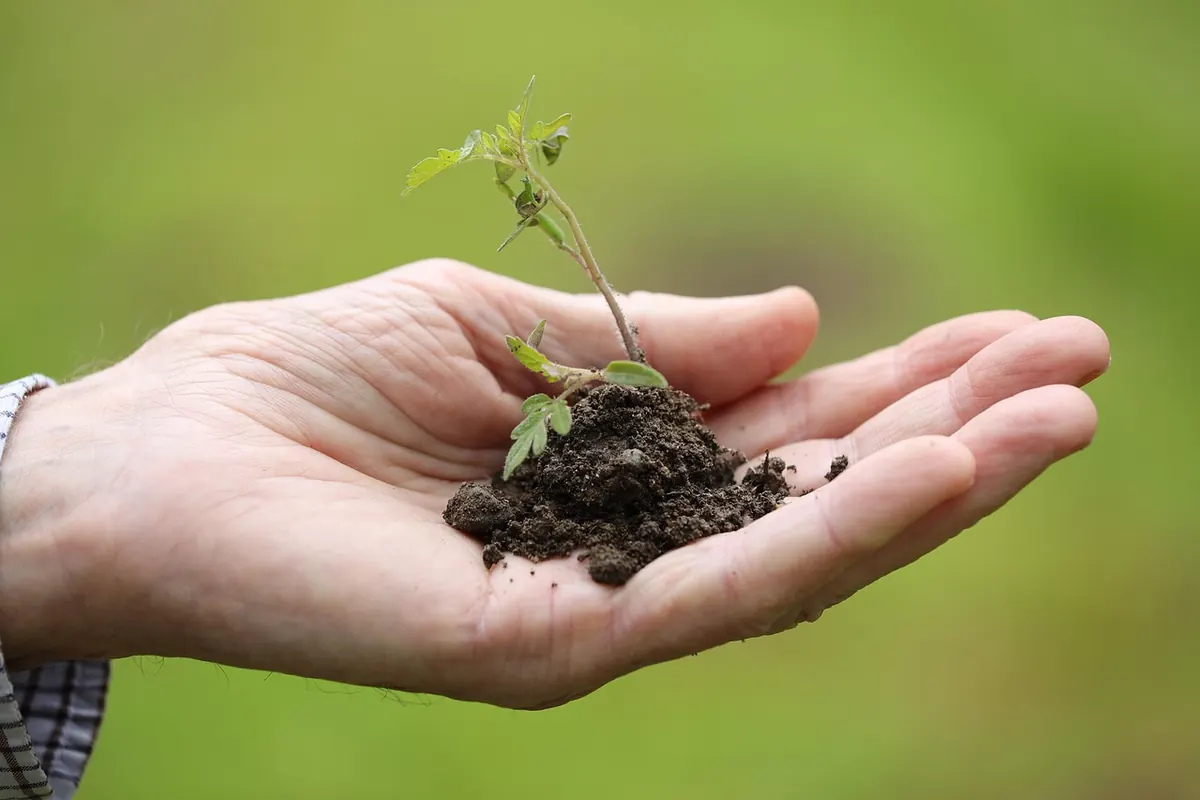
Planting a tree with your neighbours is one of the few civic things you can do that gets better every year without any further effort from you. The catch is that most community planting projects fail quietly, in the second or third summer, when nobody remembers whose turn it is to water. The planting day itself is the easy, photogenic part. Everything that decides whether you end up with a street of shade or a row of sticks happens before and after it.
This guide walks through that whole arc: the questions to settle first, the small team you need, how to pick sites and species that suit a street rather than a garden, and what care a young tree actually needs in its first three years. It assumes no budget to speak of and no professional training, only a handful of people who have noticed their street is hotter, barer or noisier than it needs to be.
Enthusiasm gets a project started; clarity keeps it alive. Before you order a single sapling, sit down with three or four people and write honest answers to four questions. One page is enough.
Write the answers down and keep them. When someone proposes a hundred trees along a motorway verge in July, you will be glad of a document that says what you agreed to.
Resist the urge to announce the project to the whole neighbourhood in week one. A group of thirty at the first meeting usually becomes four by planting day. Instead, find four or five people who will each take one clear job, then open the project up.
That last role sounds tedious and turns out to be the most valuable. Two years on, when a tree is failing and nobody can remember what species it is or whether it was ever staked, the spreadsheet answers in seconds.
A good street tree site is generous in ways a garden border is not. The tree has to share space with pedestrians, cars, drains, cables and snow ploughs, and it will do so for decades. Walk your area with a map and mark every plausible spot, then cut the list in half. Being ruthless now saves a sad removal later.
The right tree is the one that will still be healthy in thirty years without heroic intervention. That means matching mature size to the space available, preferring species that tolerate your local conditions, and avoiding trees that create maintenance problems over pavements. Ask a local nursery or your council's arborist what performs well nearby; they will know which species sulk in your soil.
Bare-root trees, planted in the dormant season, are usually cheaper and establish quickly. Container-grown stock can be planted across a wider window but needs its roots teased out carefully. Either way, inspect before you buy: a firm, straight trunk, a single clear leader, healthy bark and roots that are not circling the pot. Reject anything with a girdling root, a torn trunk or wilting foliage.
Plant a mix rather than a single species down a whole street. A uniform row is elegant until a pest or disease arrives and takes the lot. Three or four species in a planting scheme is plenty for visual rhythm and far more resilient.
Keep planting sessions to two or three hours. A tired volunteer with a spade is a hazard, and a rushed planting is a dead tree. Aim for one experienced person to every four or five newcomers so that every hole is checked before backfilling.
Send out practical details a week ahead: where to meet, what to wear, whether there are toilets, gloves and tools provided, and what happens if it rains. Have water, snacks, a first aid kit and a plan for the weather. Brief everyone on the sequence before anyone picks up a spade, then demonstrate it once, slowly.
Establishment is mostly about water and weeds. In dry spells, a young tree wants roughly twenty litres a week, delivered slowly enough to soak in rather than run off the surface. Water in the morning, water deeply and less often rather than lightly and daily, and use watering bags or a ring of mulch to keep moisture where the roots are. The second summer matters as much as the first; the third usually less.
Keep the mulch topped up and the grass and weeds cleared from the ring — competition for water is real. Inspect trees once a month through the growing season and note what you see: dieback, broken branches, loose stakes, damaged bark. Prune only damaged or crossing branches in the early years and leave structural pruning to someone who knows how. Replace losses in the next dormant season rather than leaving gaps, and check in with your water keeper at the start of every summer, before the first heatwave rather than after it.
You do not need a charity, a grant or a website. You need a map with ten good sites, permission to dig, a rota with names on it and a spreadsheet that survives a change of committee. If that sounds unglamorous, it is — and it is exactly why the trees will still be there in twenty years.
Start with five trees in one autumn. Plant them well, water them through two summers, and let the neighbours watch them leaf out. The second planting will be easier, better attended, and full of people who now know how to dig a hole properly. That is how a street becomes a canopy.
Photo: GoranH / Pixabay
A practical troubleshooting guide to the most common urban tree watering errors during heat waves — frequency,...
Columnar cypress can screen a narrow driveway without turning it into a tunnel. Here is how to choose, lay out, and...
Mulch is the cheapest help a street tree gets—and one of the easiest ways to harm it. Here's how deep, where to...

Italian city trees and green spaces.
